How to Use a Voice Clone for YouTube and Faceless Channels
AI voices make every faceless channel sound the same. A voice clone makes it yours.
The faceless channel playbook has a weakness nobody talks about: everyone uses the same handful of stock AI voices. Viewers hear the identical narrator across fifty channels, and the algorithm's most loyal audiences — the ones who return for the narrator — never form. A voice clone fixes that. Your channel gets a voice no other channel can use, without you recording a single take per video.
Why the voice matters more than the niche
Retention data tells the story: viewers decide in seconds whether a narration feels engaging or robotic. A distinctive, natural voice is a channel asset the same way a logo is — and unlike a stock voice, a clone of your own voice is yours exclusively.
The workflow, end to end
1. Clone your voice once
Record a short, clean sample — quiet room, decent microphone, natural pace. Acoust's instant voice cloning builds the model in seconds; see the recording tips on the voice cloning page for what makes a clone sound best.
2. Script like you talk
Clones reproduce your voice, not your writing. Scripts written in spoken rhythm — short sentences, contractions, direct address — generate noticeably more natural audio than essay-style prose.
3. Generate and fine-tune
Generate the narration, then adjust pacing and emphasis where the energy should rise — hooks and payoffs benefit most. Regenerating a single sentence costs seconds, so iterate freely.
4. Build the video in the same tool
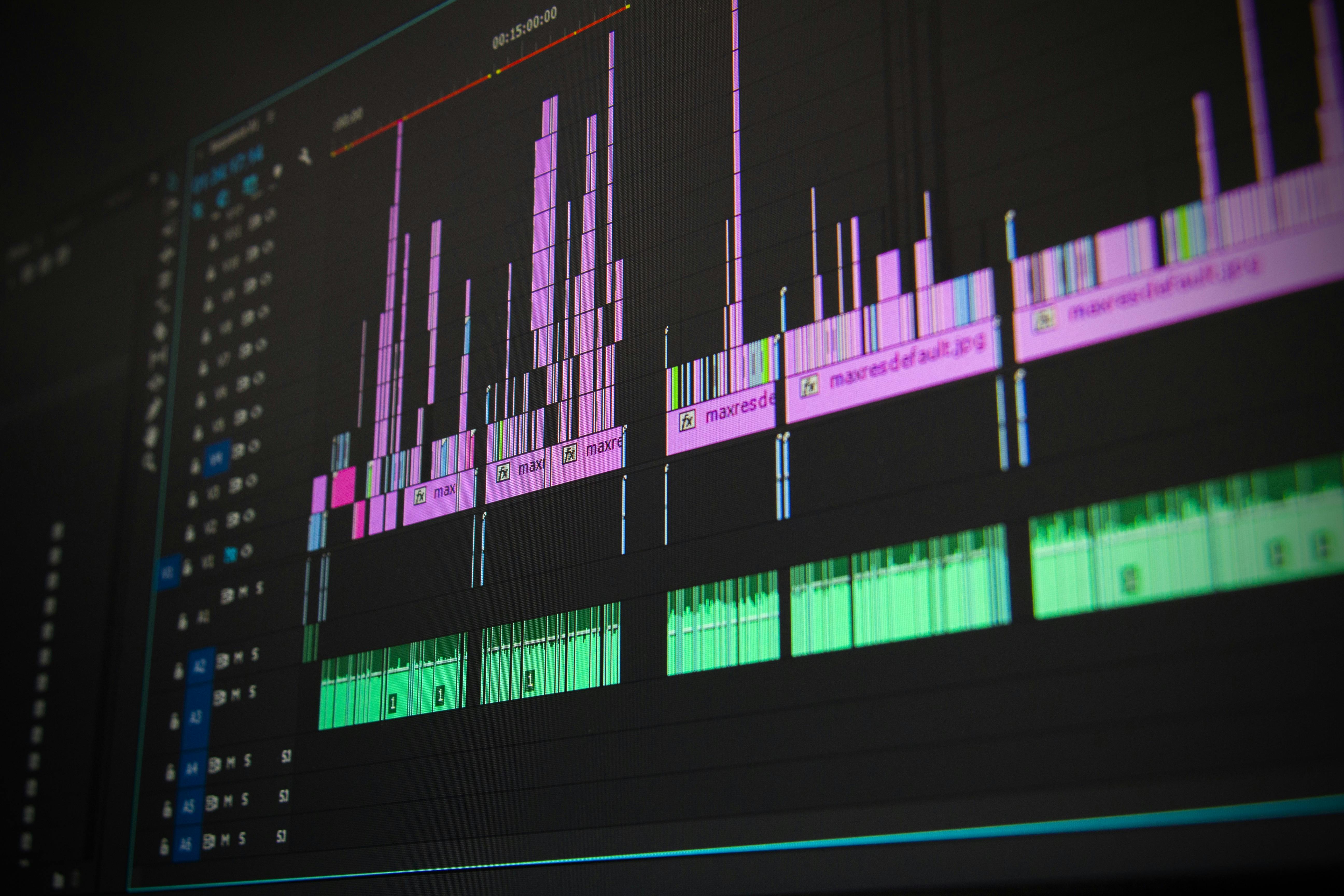
Acoust's editor pairs your narration with footage, captions, and music — or export the audio for CapCut or Premiere. Captions matter: a large share of Shorts viewing happens muted.
Scaling to daily uploads
The compounding advantage is volume. Once the clone exists, a finished script becomes finished narration in minutes — the bottleneck moves to writing and editing, where it belongs. Channels running faceless content strategies can hold a daily cadence with one person.
Disclosure and platform rules
YouTube asks creators to disclose realistic synthetic content where it could mislead. Narration is generally low-risk, but the honest move is simple: a one-line disclosure in the description. Your audience is buying the content, not the microphone.
Clone your voice free with Acoust and give your channel a narrator nobody else can copy.