10 Practical Voice Cloning Use Cases for Creators and Businesses
From training videos to faceless YouTube channels using Voice Clone
Cloning your voice sounds futuristic until you realize what it actually solves: never re-recording, never booking studio time, and never sounding inconsistent across your content. Once your AI voice clone exists, any script becomes audio in your voice in seconds. Here are ten ways creators and businesses use that in practice.
1. Training and e-learning narration
Courses change constantly — a policy update, a new product screen, a renamed feature. With a cloned voice, updating module 7 means editing the script and regenerating the audio, not re-booking the original narrator. Teams keep one consistent voice across hundreds of lessons.
2. YouTube and faceless channels
Faceless channels live and die on narration quality and output volume. A voice clone lets you produce daily videos in a voice that is genuinely yours — distinctive, consistent, and impossible for other channels using stock AI voices to copy.
3. Podcast fixes and intros
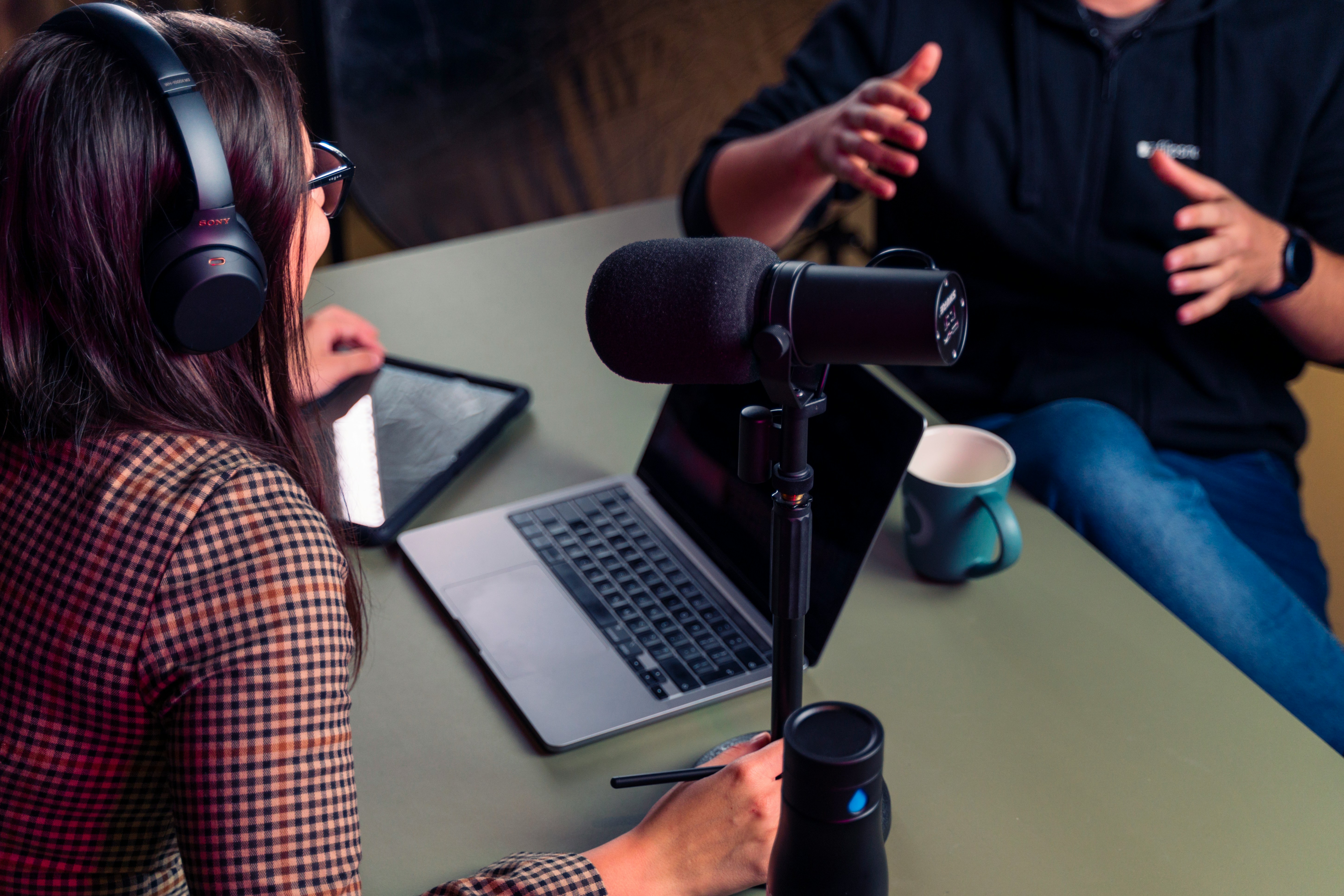
Flubbed a sentence in an hour-long recording? Regenerate just that line in your cloned voice instead of re-recording the segment. Clones also make consistent intros, outros, and ad reads effortless.
4. Multilingual content in your own voice
This is the use case that surprises people most: your clone can speak languages you don't. Pair a voice clone with multilingual text-to-speech and your Spanish, Hindi, or Japanese content still sounds like you.
5. Product demos and onboarding
Founders and product teams narrate demos with their own voice without recording each take. When the UI changes next month, regenerate the narration in minutes.
6. Audiobooks and long-form narration
Narrating a book takes a professional days of studio time. Authors use voice clones to produce a complete, consistent narration from the manuscript — and fix errata later without matching studio conditions.
7. Ad and marketing variations
Performance marketing needs dozens of hook variations. A cloned brand voice generates every variant on demand, so testing ten different openings doesn't mean ten recording sessions.
8. Audio versions of written content
Turn blog posts, newsletters, and documentation into audio in your voice — an accessibility win and a new distribution channel for content you already wrote.
9. Phone greetings and IVR
Voicemail greetings, hold messages, and IVR menus in the founder's actual voice — updated whenever the menu changes, without anyone picking up a microphone.
10. Founder-voice content at scale
Audiences connect with a person, not a brand account. A voice clone lets a founder "voice" far more content than their calendar allows — welcome videos, course modules, personalized messages — while every word stays under their control.
Getting started
Acoust's Instant Custom Voice builds your clone from a short clean recording, and the built-in video editor takes the audio to finished content in the same tool. Clone your voice free and try one of these use cases this week.