Voice Cloning for Training Videos: Update Courses Without Re-Recording
The narrator left, the product changed, and forty modules are out of date. Now what!
Every learning and development team knows this failure mode: the training library was narrated by someone who has since left the company, the product has changed, and now forty modules need updates that would cost more to re-record than the originals did. Voice cloning removes that trap entirely.
The re-recording problem
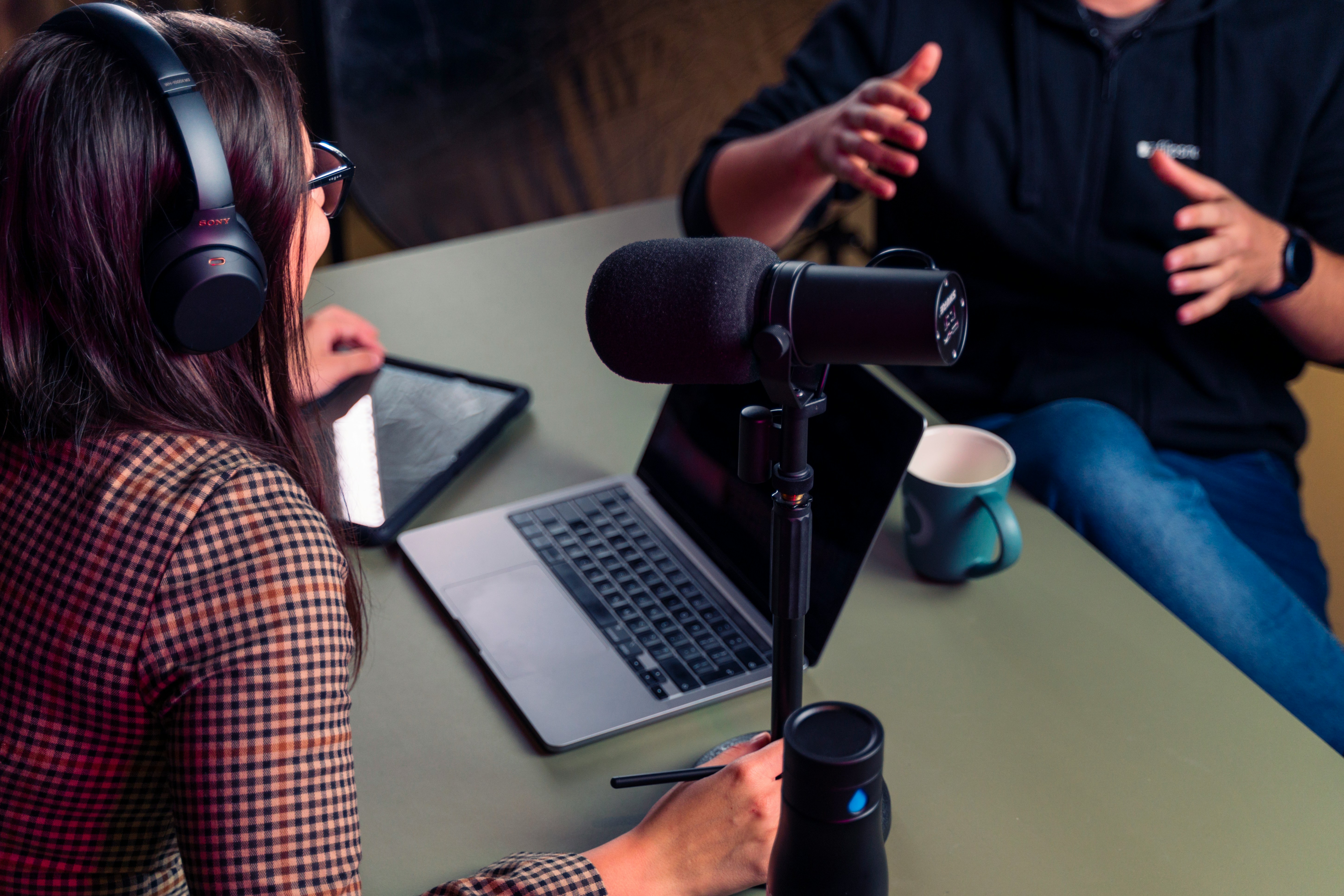
Traditional training narration couples your content to one person's availability, studio conditions, and vocal consistency. Even when the original narrator is available, matching the tone and audio quality of a recording made two years ago is genuinely hard — patched-in sentences stick out. So teams postpone updates, and learners watch videos describing a product that no longer exists.
How a cloned voice changes the economics
With an approved AI voice clone — typically a team member's voice or a designated brand voice, cloned with consent — narration becomes text. Updating a module means editing a script. The regenerated audio matches every other module perfectly, because it is the same voice model under the same conditions.
What this looks like in practice
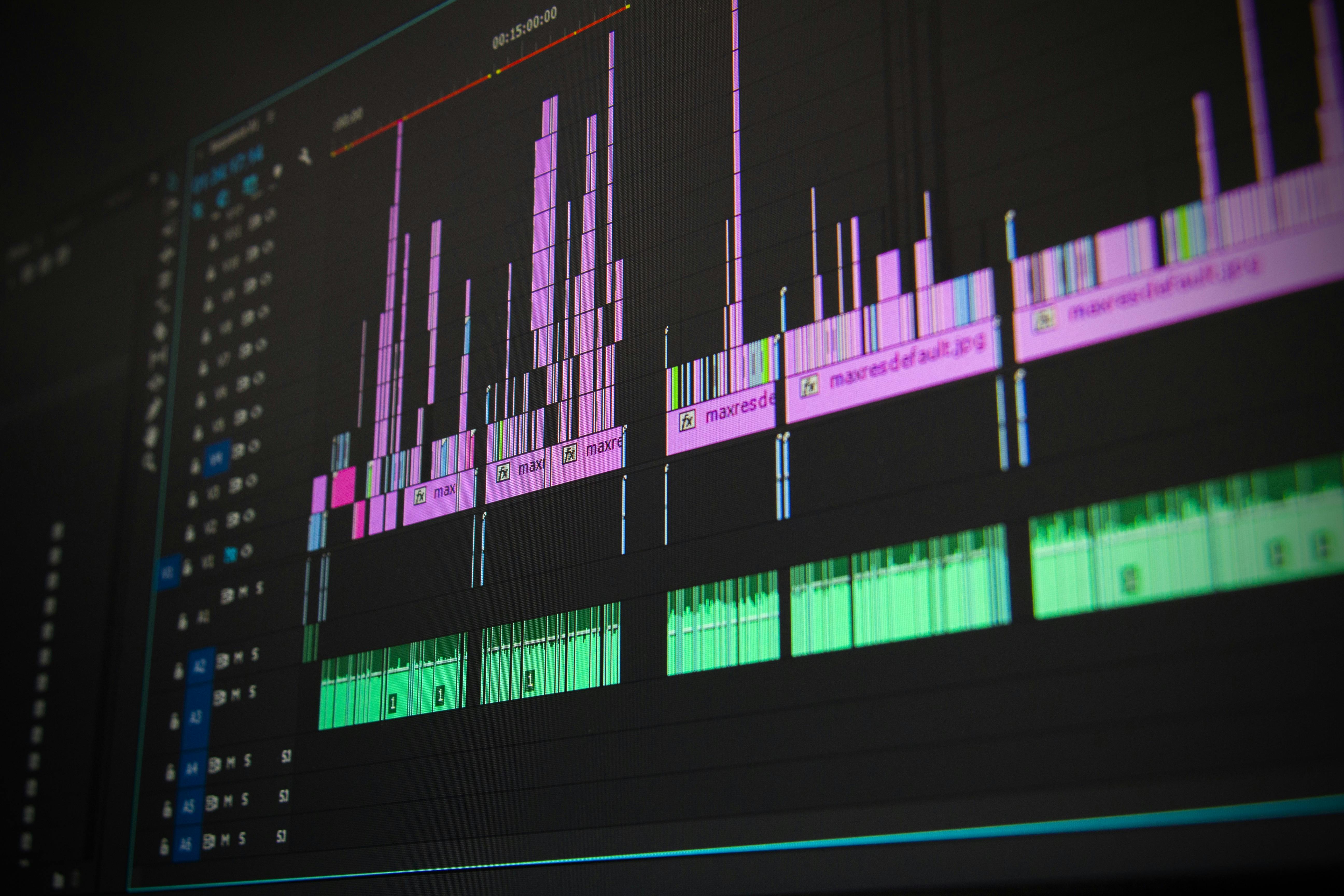
One compliance update that used to mean a studio booking, narrator scheduling, and audio editing becomes a fifteen-minute task: edit the paragraph, regenerate, replace the audio track. Acoust's editor pairs the voice directly with your e-learning video content, so even the video assembly happens in the same tool.
Multilingual training without translators in the booth
Global teams typically maintain training in three to ten languages. A voice clone paired with multilingual TTS produces localized narration in the same brand voice across every language — consistent, simultaneous, and updated together. No coordinating five narrators in five countries for every product change.
Consent and governance
Clone voices with written permission, keep an internal record of which voice is approved for which content, and limit who on the team generates with it. Acoust's terms require that you have the rights to any voice you clone, which keeps the policy side simple: consent first, then clone.
Where to start
Pick the module that changes most often — usually product training — and pilot the workflow: clone an approved voice, regenerate that module's narration, and measure the turnaround difference. Most teams find the update cycle drops from weeks to hours. Start with a free voice clone and see how your most painful module feels as an editable script.